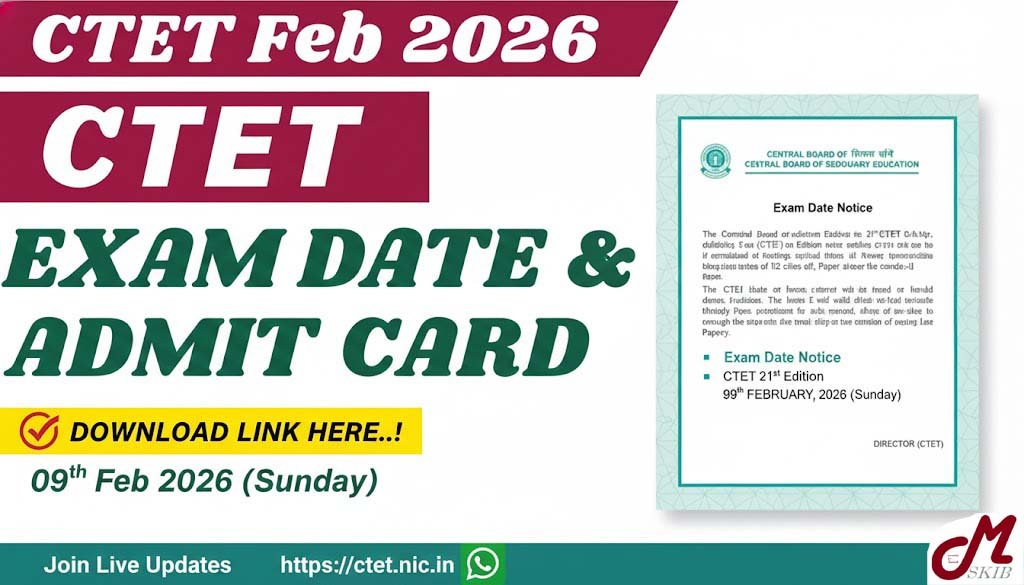

If you’re a teacher‑aspiring professional, the Central Teacher Eligibility Test (CTET) is the gateway that lets you teach in government schools across India. The Board has just confirmed the February 2026 session, and a wave of fresh details has hit the official portal. Below is a plain‑English walkthrough that breaks down the timeline, eligibility, fees, and practical tips – all wrapped in the context of what’s trending in 2026 for teacher‑recruitment exams.
1. Quick‑Glance Calendar (All Dates in 2025‑2026)
| Milestone | Approximate Window |
|---|---|
| Online applications opened | 27 Dec 2025 |
| Last day to submit the form (including fee) | 30 Dec 2025 |
| Opportunity to correct entry errors | 23‑26 Dec 2025 |
| Exam day | 8 Feb 2026 |
| Admit‑card release | A few days before the exam (check the portal) |
| Result posting | To be announced later in 2026 |
Tip: Mark the correction window in your calendar. Even a tiny typo in your enrollment number can block access to the admit card later.
2. Who Is Eligible?
CTET is split into two “levels” that correspond to the classes you intend to teach.
| Level | Typical classroom | Minimum academic credentials |
|---|---|---|
| Level‑1 (Primary, classes 1‑5) | Primary school | 12th grade + any recognized teacher‑training diploma (e.g., D.Ed., JBT, B.El.Ed., B.Ed.) |
| Level‑2 (Upper‑primary, classes 6‑8) | Middle school | Graduation + B.Ed. or B.El.Ed. |
There is no upper age ceiling for either level, which opens the door for career‑switchers and lifelong learners. However, reservation categories (SC, ST, OBC, PWD) enjoy reduced fees, as described next.
3. How to Apply – Step‑by‑Step (No Technical Jargon)
- Visit the official CTET portal – the link is prominently displayed on the CBSE website under “CTET notifications”.
- Create a user ID using a valid email address and mobile number.
- Fill in personal details (name, DOB, category) exactly as they appear on your ID proof.
- Enter academic information – upload scanned copies of your 12th‑grade certificate, degree, and teacher‑training qualification.
- Pay the fee (details in the next section).
- Submit the form and note down the enrollment and registration numbers. You’ll need them to download the admit card later.
- Optional: Use the online correction tool (23‑26 Dec) if you spot any mistake after submission.
Real‑world example:
Riya, a recent B.Ed. graduate, logged in on 28 Dec 2025, entered her details, and used the credit‑card option to pay ₹1,200 for both papers. She saved her registration number on her phone, which later helped her pull the admit card in just a few clicks.
4. Fee Structure & Payment Options
| Paper Combination | General / OBC | SC / ST / PWD |
|---|---|---|
| Paper I only | ₹1,000 | ₹500 |
| Both Papers (I + II) | ₹1,200 | ₹600 |
Payments can be made online through a range of channels: debit/credit cards, net banking, IMPS, and popular mobile‑wallet apps. The system automatically generates a receipt; keep a digital copy for future reference.
2026 Insight: More candidates are opting for mobile‑wallets because they offer instant transaction alerts, which reduce the risk of payment disputes.
5. Preparing for the February Exam – Fresh Strategies for 2026
| What’s New in 2026 | How to Leverage It |
|---|---|
| Micro‑learning apps (e.g., “TeachPrep”) that deliver 10‑minute daily quizzes | Slot them into commute time; cumulative practice beats marathon study sessions. |
| AI‑driven mock tests that adapt to your weak areas | Use the free trial to identify topics that need extra focus, then schedule targeted revisions. |
| Virtual classroom simulations for classroom‑management questions | Join a short‑term live session to experience scenario‑based MCQs. |
Practical tip: Create a “master sheet” where you jot down the formula or rule for each topic (e.g., the “5‑step lesson‑plan framework”). Review it nightly; repetition cements recall.
6. The Latest Trends Shaping CTET & Teacher Recruitment
- Competency‑Based Assessment: In 2025, CBSE introduced a small section on “digital pedagogy”. Expect at least two questions testing your understanding of online teaching tools.
- Regional Language Inclusion: More questions now appear in languages other than Hindi and English, reflecting the push for inclusive education.
- Higher Weightage to Aptitude: Analytical‑reasoning items have risen from 20% to 25% of the total score. Practicing data‑interpretation charts can give you an edge.
Keeping an eye on these shifts helps you allocate study time wisely—don’t waste hours on outdated content.


Important Links
| Resource | Description | Action |
|---|---|---|
| WhatsApp Channel | Join our official updates channel | Join Now |
| CTCT Official Portal | Access applications, admit cards, and results | Visit Site |
| Exam Date Notice | Check Now | |
| Complete Submit Form (Re-Open) | Complete Now | |
| Submit Form Notice | Check Notice | |
| Online Correction | Correction Now | |
| Apply Online | Apply NOW | |
| CTET February Notification | View Notification | |
Final Thoughts
The CTET February 2026 session offers a clear timeline and a relatively straightforward application process—provided you stay organized and use the digital tools now available. By aligning your preparation with the newest trends (micro‑learning, AI mock tests, and competency‑based items), you’ll not only meet the eligibility criteria but also position yourself as a modern educator ready for today’s classrooms.
Remember: Plan early, double‑check every entry, and practice smart. When the 8 February exam day arrives, you’ll walk into the center with confidence, knowing you’ve covered both the fundamentals and the fresh twists that 2026 brings to teacher eligibility testing.
Frequently Asked Questions
1. Can I appear for both Level‑1 and Level‑2 in the same session?
Yes. Paying the combined fee (₹1,200 for general category) grants you access to both papers. It’s a smart move if you’re unsure which level you’ll be posted to.
2. What should I do if I miss the correction window?
Unfortunately, once the window closes, the portal locks the data. The only recourse is to contact the CBSE helpdesk with supporting documents, but approval isn’t guaranteed.
3. How soon after the exam will the results be announced?
Historically, CTET results drop within 6‑8 weeks. In 2026, CBSE has pledged to publish them on the portal and send an SMS alert to registered mobile numbers.
4. Is there any age restriction for the test?
No. The exam welcomes aspirants of any age, aligning with the “lifelong learning” philosophy championed by the Ministry of Education.